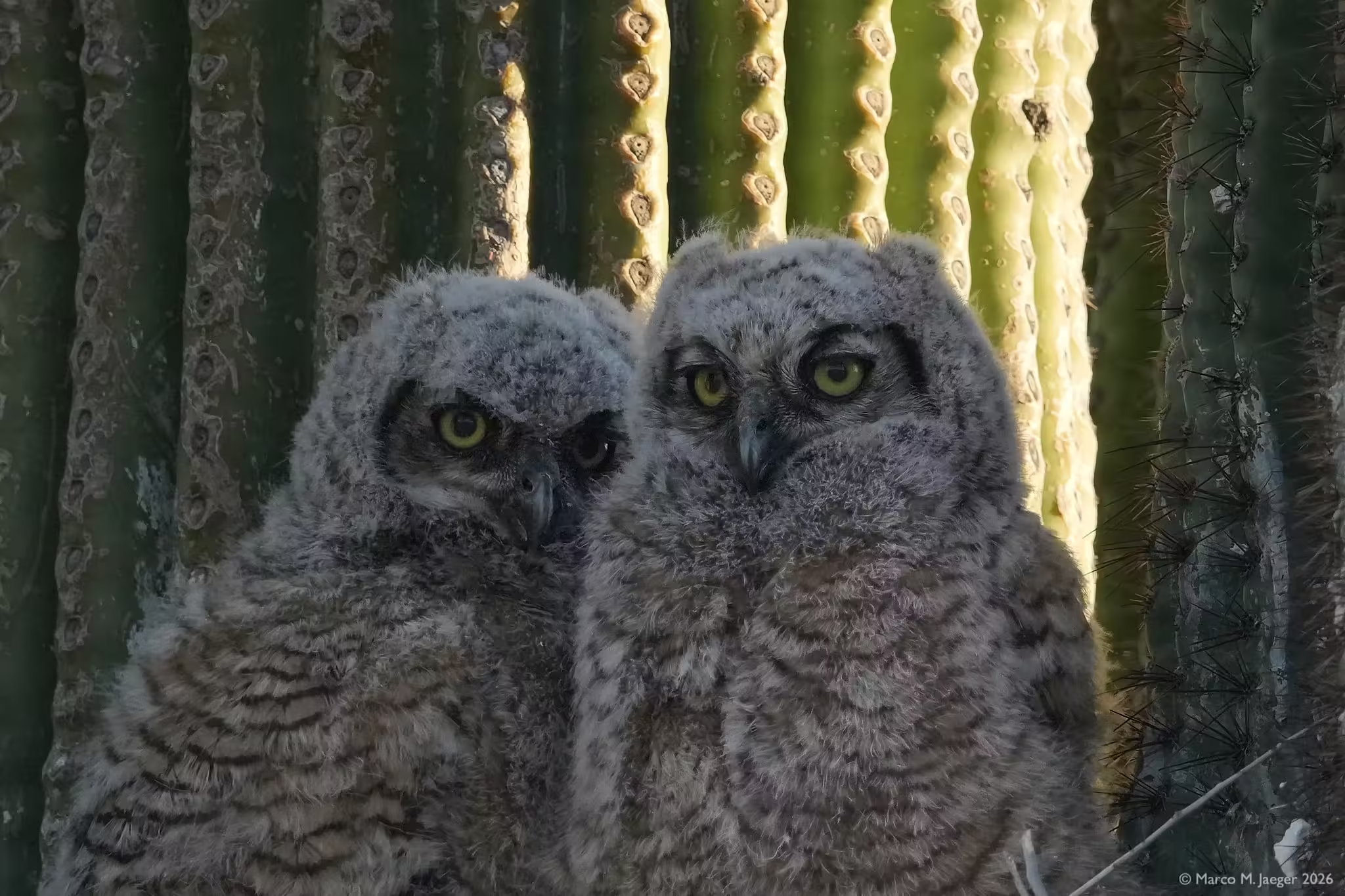
Right in the flight path of Phoenix Sky Harbor Airport, with planes overhead and trains passing by, there’s a small pond where I’ve been visiting a family of great horned owls. I only learned about this spot later, when the youngsters were already more like teenagers than baby owlets, but it has still been a treat to watch them grow more independent.
The window to see them is always short, maybe 30 to 45 minutes, and the light at dawn can be tough to shoot in. After that, they vanish into the nearby palm trees and can’t be spotted again. Sometimes they come down for a quick drink from the little stream that feeds the pond, and catching their golden eyes in that moment is unforgettable.
What surprises me most is the setting. It’s noisy, busy, and not what you’d imagine for owls. And yet, they adapt. Great horned owls are tough, versatile birds found all across the Americas. They’re skilled hunters, and they’ll make a home wherever they find food and cover.
For me, standing there with my camera while jets roar above and trains rumble past, the owls feel like a secret gift. Their calm presence in the middle of so much chaos is a reminder of the wild that still exists in the city. Each photo feels like catching a glimpse into their hidden world.
A little background
The great horned owl (Bubo virginianus) is one of the most widespread raptors in the Americas. Known for their tufted “horns” (which are actually just feathers) and haunting hoots, they’re skilled hunters that can take prey much larger than themselves. Their diet includes everything from rabbits and rodents to reptiles and even other birds. Fierce and adaptable, they are equally at home in remote wilderness as they are in city parks.