
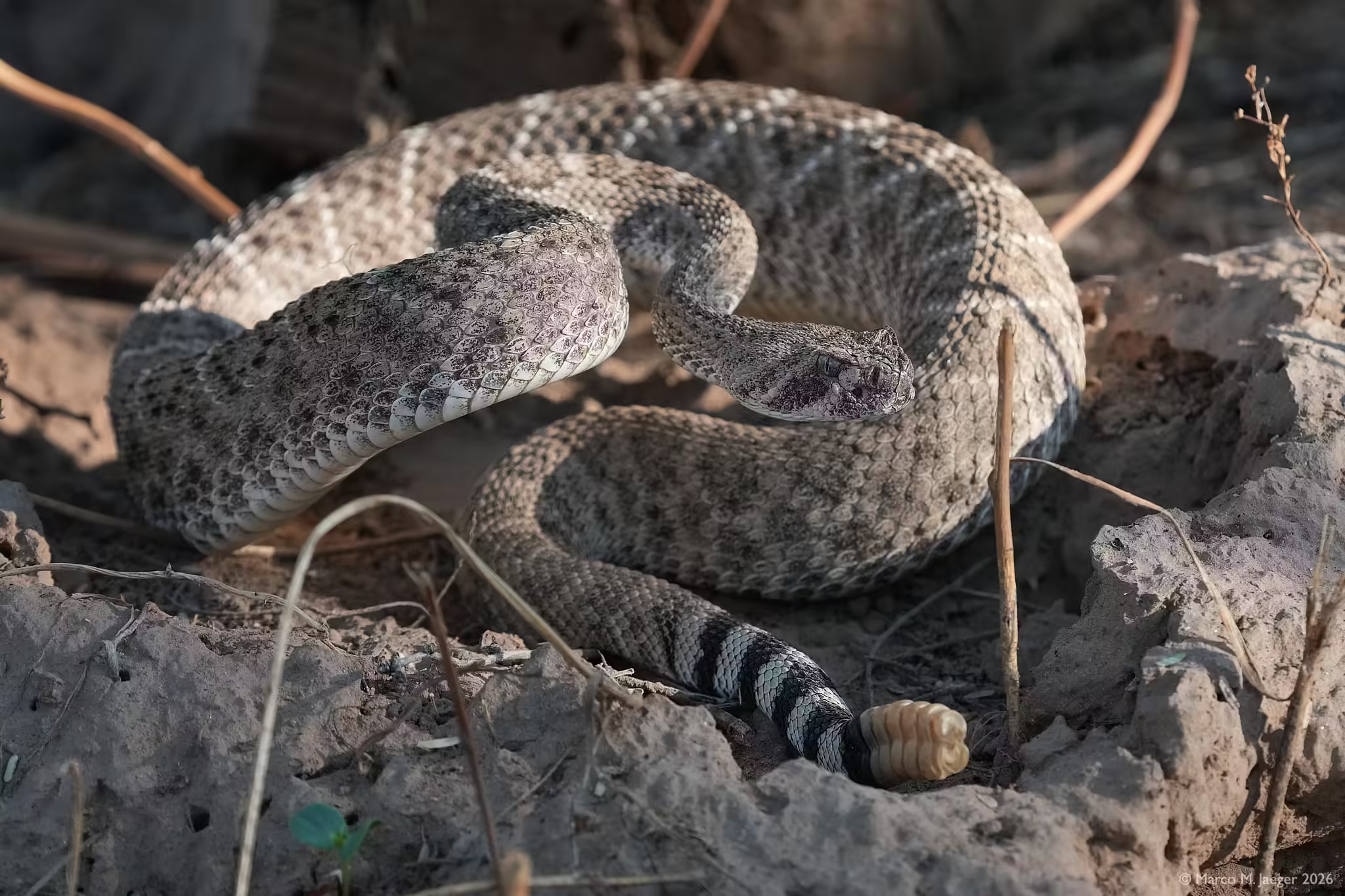
Every day when I head out on my hikes across the Arizona desert, there is always a chance of encountering one of the Southwest’s most misunderstood residents, the Western Diamondback Rattlesnake.
Contrary to popular belief, rattlesnakes are not aggressive animals. They have no interest in chasing people and would much rather avoid a confrontation. However, they are masters of camouflage, blending perfectly into the desert floor. That is what makes them so dangerous. They can be almost impossible to spot until you’re only a few feet away.
Over the years, I’ve had several close calls and have nearly stepped on a few. One thing I’ve learned is that you cannot rely on hearing a rattle. While many snakes do rattle as a warning, most remain completely silent. Out on the trail, full concentration is essential. Every step matters, and I always pay close attention to where I place my feet and what I reach for with my hands.
The good news is that the safest approach is also the simplest: leave them alone. Give them plenty of space, and in almost every case they will move away on their own.
Interestingly, statistics show that more rattlesnake bites occur in people’s own backyards than out on hiking trails. We’ve experienced that firsthand. During the past six years, we’ve had three rattlesnake encounters in our yard. Before Jackie lets Gizmo, our cat, outside each morning, she carefully checks the yard to make sure no rattlesnake is hiding anywhere.
The desert is an incredible place to explore, and seeing wildlife is one of the reasons I love spending time out there. Respecting these animals, staying alert, and keeping a safe distance allows both humans and snakes to go their separate ways safely.
Stay aware, respect wildlife, and enjoy the beauty of the Southwest. Just remember to watch every step.




1 comment
John Herzog
I enjoy your blogs very much.